How to Make Wellness Challenges Fun and Attractive to Employees: 9 Tips
Wellness challenges can lift energy, morale and team spirit – but only if people actually join. Employees who have never taken part may feel unsure, unfit or simply too busy. The good news is that a few design choices make a big difference. Here are nine ways to make wellness challenges fun and attractive to employees, before and during the challenge.
Table of Contents
1. Make It a Team Effort
Challenges are more fun with others. Let people form teams, mix departments and fitness levels, and set team goals. Teams create belonging and gentle accountability – nobody wants to let their teammates down. A good team name helps: here are 80 funny walking team names.
2. Reward Everyone Who Reaches the Goal
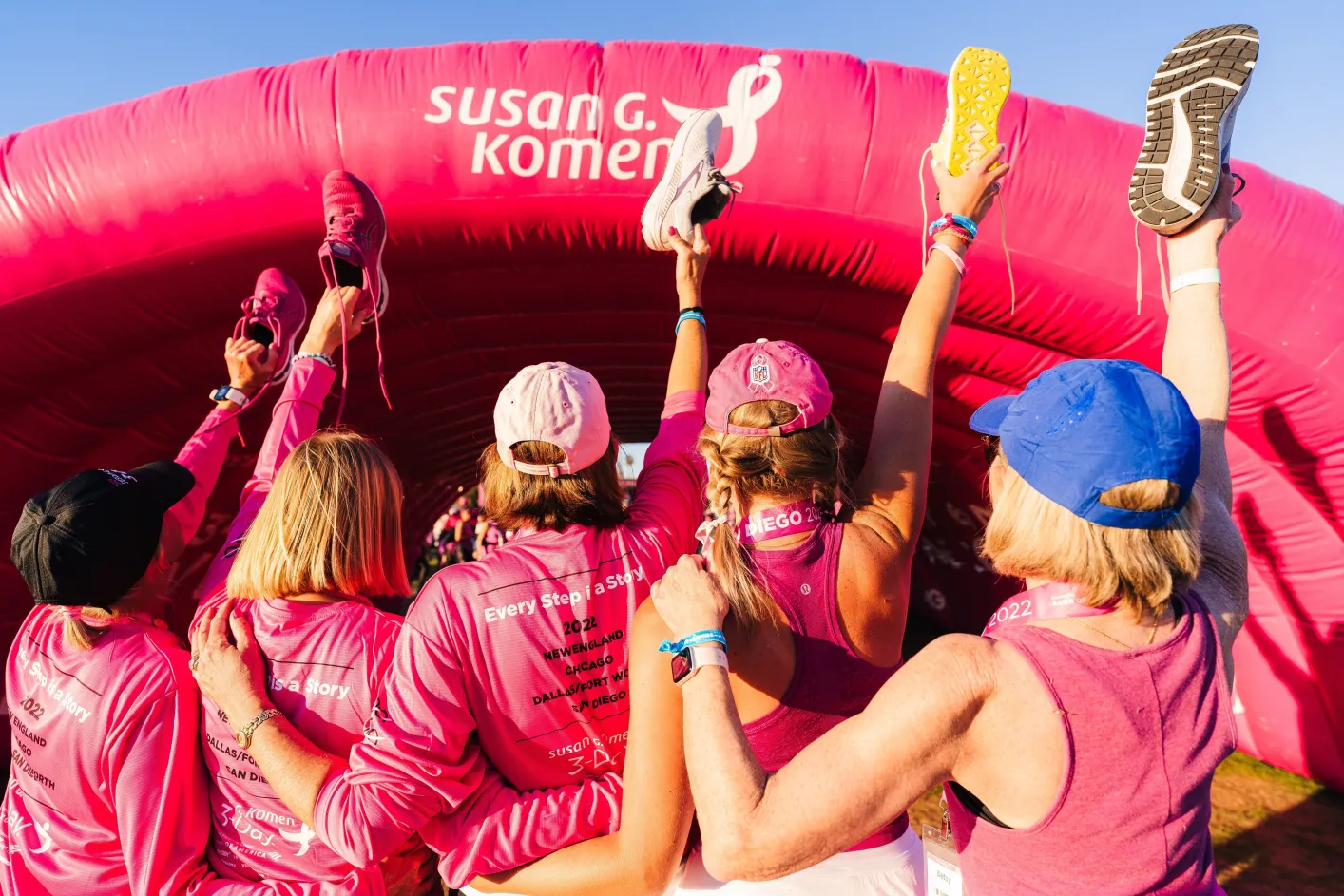
If only the top three get a prize, most people know from day one that they will not win. Recognize everyone who completes the goal – for example with a prize draw among all finishers – so less sporty colleagues also feel they have a real chance. Recognition matters: a Gallup and Workhuman report found that many employees do not feel fully recognized for their work.
3. Offer Meaningful Rewards
Rewards do not have to be expensive. Tie them to the theme of the challenge – sports gear, a massage, healthy lunch vouchers – or offer extra time off or flexible hours. Find ideas in 10 employee appreciation gift ideas and wellness challenge rewards.
4. Keep It Simple
Clear rules, one main goal and easy joining. If people need to log activity by hand or read a long rulebook, many will give up before they start. In YuMuuv, activity syncs automatically from Apple Health, Health Connect, Garmin and many other devices.
5. Set Achievable Goals
A goal that feels impossible discourages people. Choose targets that most employees can reach with a little extra effort, and consider consistency goals – reaching a daily target on a set number of days – rather than huge totals. See how challenge goals work in YuMuuv.
6. Explain the Why
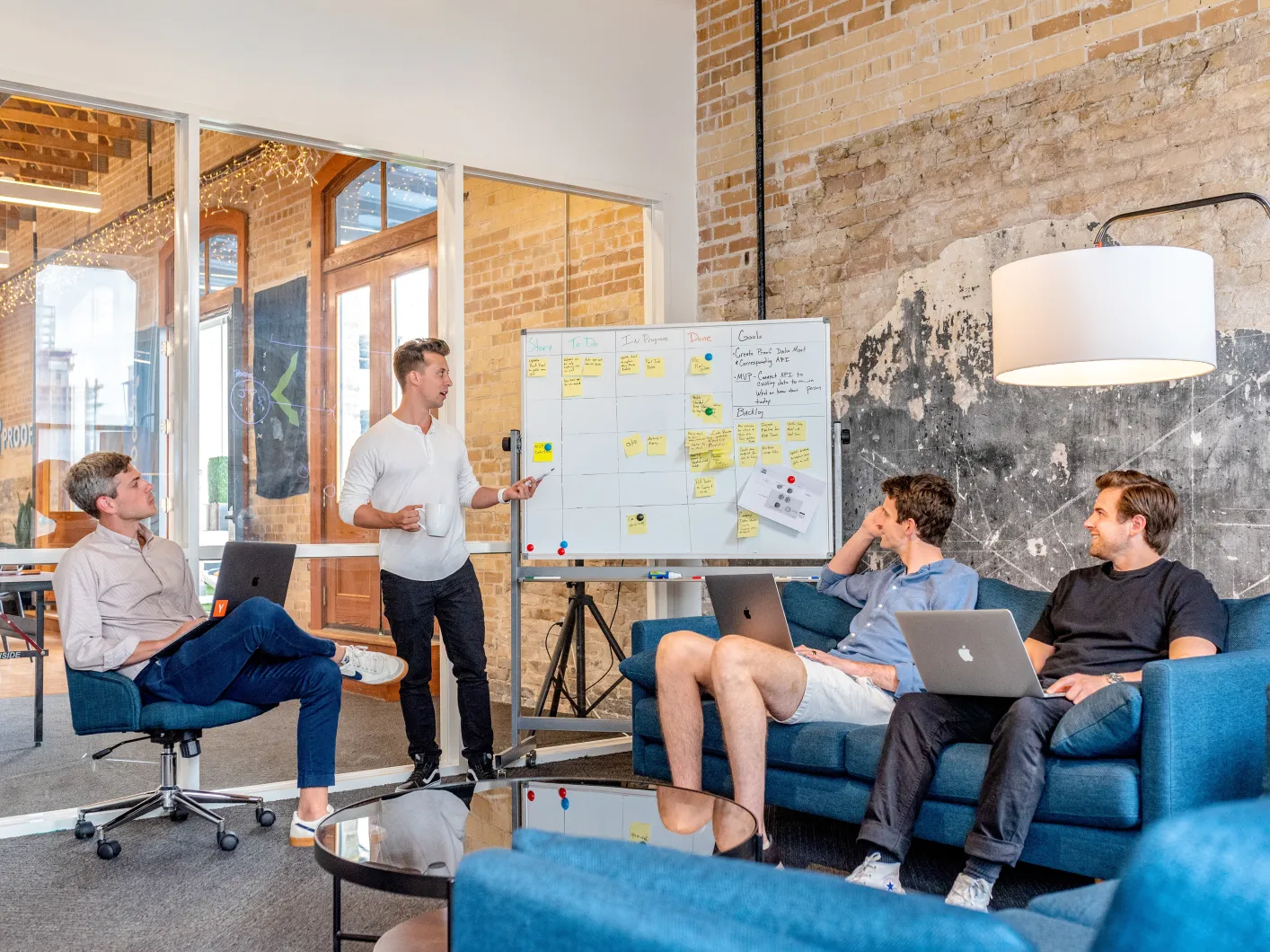
People are more likely to join when they understand what is in it for them. Share a few simple facts about the benefits of movement, sleep or mindfulness, and how the challenge fits into the company's wellbeing goals. A short kick-off talk or a guest speaker can add energy. Our article on the benefits of walking is a good place to start.
7. Make It Fun and Varied
Add playful elements such as a scavenger hunt, photo tasks or themed weeks. And change things up: instead of a six-month step challenge, run a new theme every month or quarter. Browse 52 wellness challenge ideas, 30-day challenge ideas or the 2026 wellness challenge calendar.
8. Let Employees Co-Create
Ask people which challenges they would like and invite volunteers to suggest themes, team activities or rewards. When employees help design the challenge, they feel ownership – and they bring their colleagues along. With custom challenges you can turn almost any idea into a challenge, from reading to compliments.
9. Track Progress and Celebrate
Seeing progress keeps people motivated. Share regular updates, celebrate milestones for both individuals and teams, and finish with a closing event that thanks everyone who took part.

Quick Checklist Before You Launch
- Is the goal reachable for most employees?
- Can people join in a few minutes, with the phone or wearable they already have?
- Is there a team element?
- Does everyone who reaches the goal get recognized?
- Have you explained why the challenge matters?
- Do you have a plan for the next challenge?
For a full walkthrough, read how to organize a company fitness challenge, and once it is running, see 10 ways to increase engagement in a wellness challenge.
Frequently Asked Questions
1. Why don't employees join wellness challenges?
The most common reasons are feeling they cannot win, unclear rules, too much effort to log activity and a lack of time. Simple, inclusive design solves most of them.
2. What makes a wellness challenge fun?
Teams, variety, playful tasks, visible progress and recognition for everyone who takes part – not just the winners.
3. How do I include less active employees?
Use achievable or consistency-based goals, prize draws among all finishers and non-fitness themes. See how to design non-competitive wellness challenges.
4. How do I get started?
Book a demo and we will help you design a challenge your employees will want to join.