Exercising in the Heat: How to Stay Safe Outdoors (Tips + Warning Signs)
Warm weather pulls people outside – and that is great for health. But exercising in high temperatures puts extra strain on the body, and heat illness can develop faster than many people expect. Here is how to keep exercising in the heat safely: when to go, what to wear, how to hydrate, how to adapt your workout and which warning signs to never ignore.
Table of Contents
1. Choose the Coolest Time of Day
Train early in the morning or later in the evening, when temperatures and sun exposure are lowest. Avoid the hottest hours, usually around midday and early afternoon. Check the forecast and remember that humidity matters as much as temperature: in humid air, sweat evaporates less and your body cools down less effectively.
2. Dress for the Heat
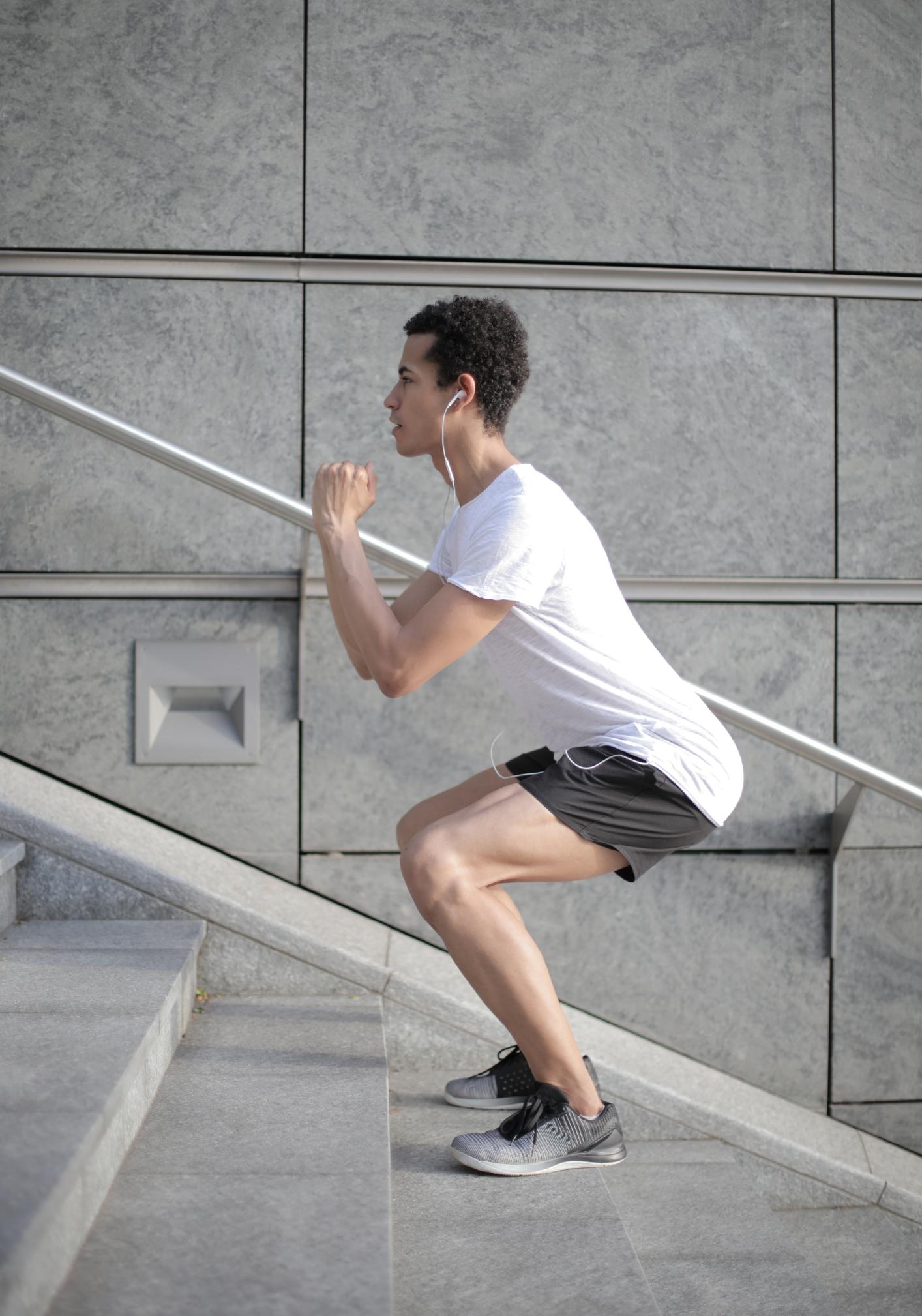
- Wear light-colored, loose and breathable clothing, ideally moisture-wicking fabrics.
- Protect your skin with sunscreen or UV-protective clothing.
- Wear a lightweight cap or hat and sports sunglasses.
3. Hydrate Before, During and After
Start your workout well hydrated and drink regularly during activity, especially on longer sessions. For workouts longer than about an hour or with heavy sweating, a drink with electrolytes helps replace the salt you lose. After exercise, keep drinking until your urine is pale. Avoid drinking huge amounts of plain water in a short time – more is not always better. For more, see what hydration has to do with wellbeing.
4. Seek Shade
Choose forest trails, tree-lined parks or routes along water. Shade lowers the heat load on your body and makes the same pace feel noticeably easier. As a bonus, green spaces have their own benefits – see the health benefits of spending time in nature.

5. Use Simple Cooling Tricks
- A wet cooling towel around the neck.
- Pouring cool water over your head and arms during breaks.
- Cold drinks before and during exercise.
- Planning a route past water fountains or shops.
6. Adapt Your Workout
Heat is not the day for a personal record. Slow your pace, shorten the session or swap intense workouts for lighter ones: brisk walking, swimming, cycling at an easy pace or yoga indoors. Your body needs about one to two weeks to adapt to hot conditions, so build up gradually when a heat wave starts. On very hot days, move your workout indoors – see 50 indoor wellness activities.
7. Know the Warning Signs
Heat exhaustion can cause heavy sweating, pale and clammy skin, dizziness, headache, nausea, muscle cramps, a fast pulse and intense thirst. Stop exercising, move to a cool place, lie down with your legs slightly raised, drink water or a sports drink and cool your skin. You should feel better within about 30 minutes.
Heatstroke is a medical emergency. Warning signs include confusion, slurred speech, a very high body temperature, hot skin that may stop sweating, seizures or loss of consciousness. Call emergency services immediately and cool the person down while you wait.
Read more from the NHS guide to heat exhaustion and heatstroke.
Who Should Take Extra Care?
Older adults, people with heart or lung conditions, diabetes or high blood pressure, people taking certain medications, and anyone who is not used to exercising in heat are at higher risk. If that is you, keep sessions short and gentle, and check with your doctor if you are unsure.
Tips for Employers Running Summer Challenges
- Avoid challenge designs that reward extreme daily totals during heat waves.
- Use consistency goals – reaching a moderate daily target on a set number of days – so nobody feels pushed to overdo it.
- Share heat safety tips in the challenge chat at the start of hot spells.
- Count activities like swimming and indoor workouts, not only outdoor steps.
See summer wellness challenges for the office and 12 fun ways to stay active in summer.
Frequently Asked Questions
1. What temperature is too hot to exercise outside?
There is no single number – humidity, sun, fitness and acclimatization all matter. When it is very hot and humid, move your workout to a cooler time, lower the intensity or train indoors.
2. How much water should I drink when exercising in the heat?
Start well hydrated, drink regularly during exercise and keep drinking afterwards until your urine is pale. For long or very sweaty sessions, add electrolytes.
3. How long does it take to get used to exercising in the heat?
Most people adapt within one to two weeks of regular, gradually increasing exposure.
4. Can a company step challenge run safely in summer?
Yes, with moderate goals, flexible activity types and clear safety messages. Book a demo and we will help you design one.