Summer to Fall Transition at Work: 6 Tips for HR
After the slower pace of summer, autumn brings people back to their desks, school routines and year-end targets – all at once. For HR, the summer to fall transition is a valuable moment: energy is fresh, people are open to new routines and there is still time to make the year count. Here are six practical tips to help your team restart well.
Table of Contents
1. How the Season Change Affects Employees
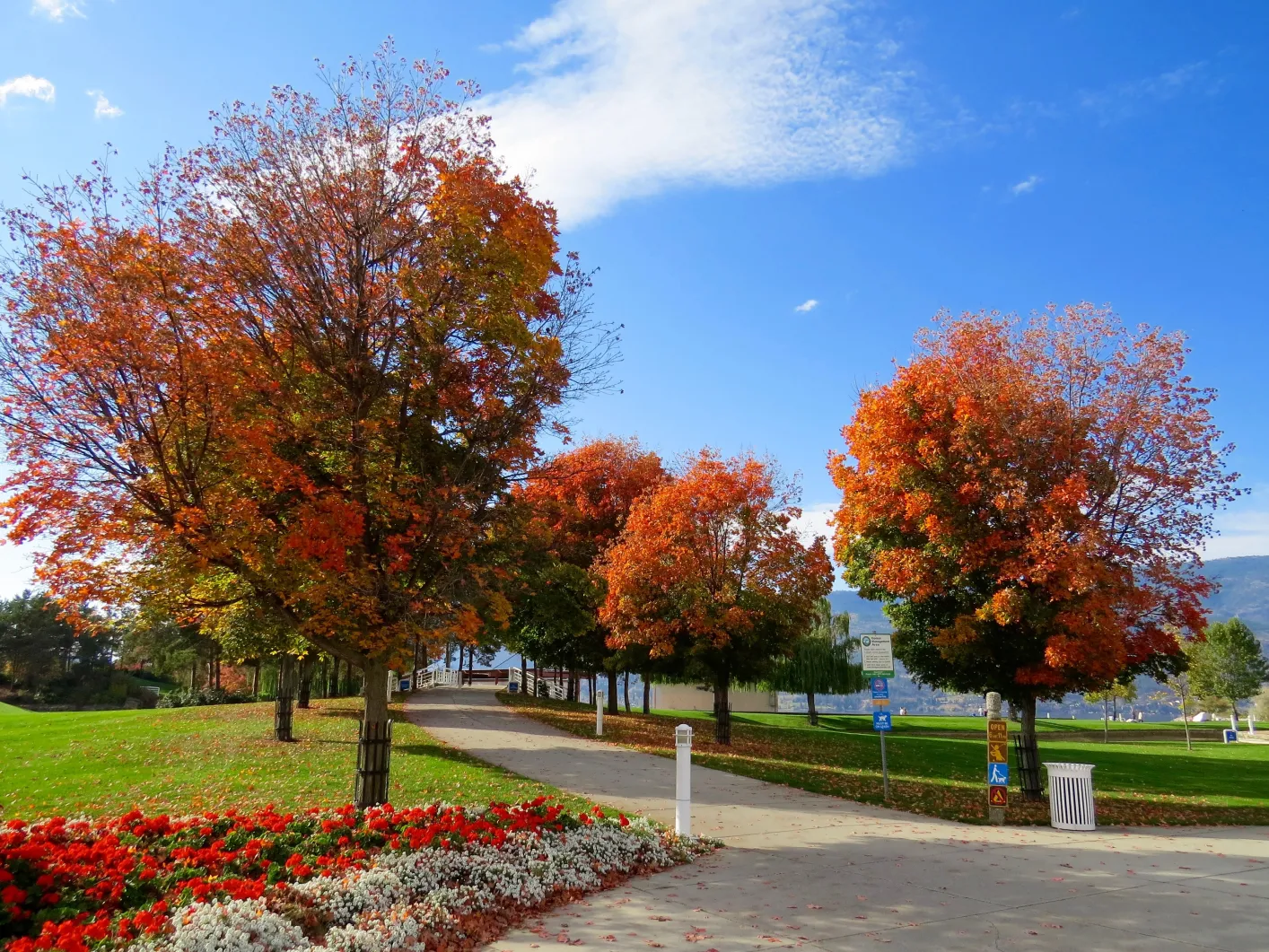
- The summer slowdown. Vacations and a slower rhythm mean projects pause and routines loosen.
- The autumn restart. People return refreshed, but year-end goals suddenly feel close and the pressure builds.
- More on everyone's plate. Back-to-school schedules and family logistics add stress outside work.
- Shorter days. Less daylight means less outdoor activity and, for some people, lower mood and energy.
2. 6 Tips for HR to Manage the Transition
1. Plan a Soft Restart
Keep the first days back light: time to catch up, a team check-in and clear priorities for the rest of the year. Help people hold on to the benefits of their holiday – see how to return from holiday without losing what it gave you.
2. Launch an Autumn Kick-Off Challenge
September is one of the best months of the year to start new habits. A four-week team challenge gives everyone a shared fresh start and gets teams talking again after the summer. Read why successful companies kickstart the fall with challenges and why autumn is the best season for habit-building.
3. Keep People Moving as the Days Get Shorter

Encourage lunchtime walks to catch the daylight, offer indoor options such as a plank challenge or a yoga challenge, and consider discounts with local gyms. See why your autumn plan should be built around daylight and 10 hacks to stay active when the days get shorter.
4. Support Mental Wellbeing
Darker months can lower mood and energy, and some people experience seasonal affective disorder, which needs professional support. Make sure employees know where to find help, such as an employee assistance program, and offer everyday practices like a mindfulness challenge or a sleep challenge.
5. Set Clear Goals for the Final Stretch
Review what happened over summer, then agree on a few clear, realistic goals for the rest of the year. The SMART framework helps – see how to set SMART goals. Communicate the goals widely and celebrate progress along the way.
6. Recognize and Listen
Celebrate summer achievements – projects delivered, challenge results, personal milestones – and ask for feedback on what people need this autumn. Recognition and real listening build trust going into the busiest part of the year. For reward ideas, see employee wellness incentives.
3. Bonus: Make Learning a Habit
Autumn is also a natural time for learning and development. Beyond training sessions, you can turn learning into a light daily habit – for example with a custom challenge for reading 10 pages a day or listening to a podcast during a walk.
4. Example: A 4-Week Autumn Restart Plan
- Week 1: team kick-off and a step challenge with a daily consistency goal.
- Week 2: add a daylight walk theme – share photos of autumn colors in the chat.
- Week 3: introduce five minutes of mindfulness a day.
- Week 4: celebrate results and ask for feedback on the next challenge.

Want a ready-made rhythm for the year? See the wellness challenge calendar and how to keep your program moving through Q4.
5. Frequently Asked Questions
5.1. How can HR re-engage employees after summer?
Plan a soft restart, set clear priorities, launch a shared kick-off challenge and recognize what people achieved over summer.
5.2. When should an autumn wellness challenge start?
Early to mid-September works well, once most people are back from holiday. Start planning in August – see it is not too late to launch an autumn challenge.
5.3. How do I keep employees active when the days get shorter?
Encourage daylight walks at lunch, offer indoor options and use consistency goals that fit busy autumn schedules.
5.4. How do I get started?
Book a demo and we will help you plan your autumn challenge.